

‘I don’t believe in moderation”
Some people don’t believe in moderation with food because of how their brain, experiences, and diet culture have trained them to think. Unfortunately, rejecting moderation is one of the biggest drivers of binge eating — even when people swear it’s the opposite.
Here’s what’s really going on.
Why moderation feels “wrong” to some people
1. All-or-nothing thinking
Many people are stuck in binary rules:
- “Clean” vs “junk”
- “On plan” vs “off plan”
- “Good day” vs “I ruined it”
So moderation sounds like:
“If I allow a little, I’ll lose control.”
That fear doesn’t come from weakness — it comes from past restriction.
2. Restriction creates obsession
When foods are labeled forbidden:
- Your brain assigns them extra value
- Cravings intensify
- Willpower becomes a daily battle
The moment the rule breaks, the brain switches to:
“Eat it all now before it’s gone again.”
That’s not lack of discipline — it’s predictable biology.
3. Diet culture rewards extremism
Social media glorifies:
- “No sugar ever”
- “Zero carbs”
- “No cheat meals for years”
Moderation is boring. Extremes are marketable.
But boring habits are the ones that actually work long-term.
4. People confuse control with safety
Strict rules feel safe because they reduce decision-making:
- No thinking
- No negotiating
- No gray area
But that safety is fragile.
One slip ? shame ? binge ? restart cycle.
How rejecting moderation fuels binge eating

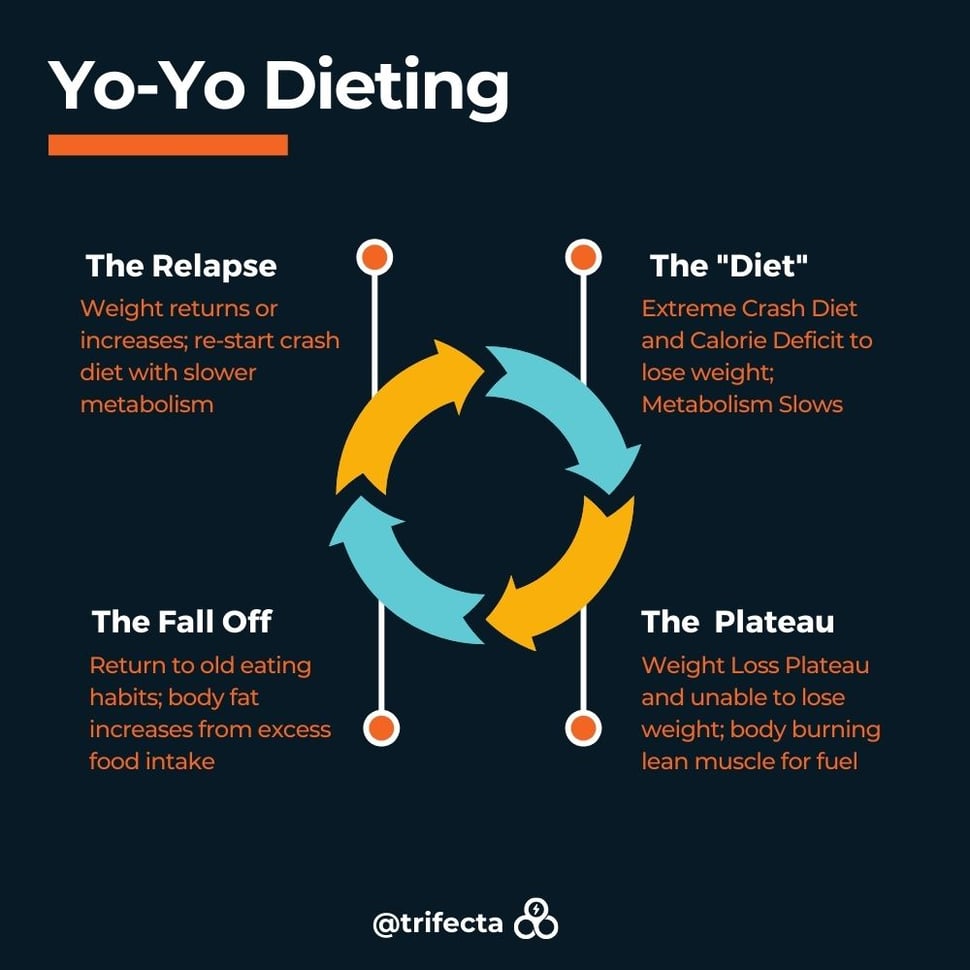
4. The cycle looks like this:
- Heavy restriction
- Rising hunger + cravings
- Mental exhaustion
- Loss of control binge
- Guilt and shame
- Tighter rules
Every loop makes binges stronger and more frequent.
Why moderation actually PREVENTS binge eating
1. Nothing is “urgent” anymore
When all foods are allowed:
- There’s no “last chance” mentality
- Cravings lose their intensity
- You can stop when satisfied
Binges thrive on urgency.
Moderation removes it.
2. Trust replaces fear
Moderation teaches:
- “I can have this again tomorrow”
- “I don’t need to eat past comfort”
- “Food isn’t scarce”
That sense of safety calms the nervous system, which reduces impulsive eating.
3. Consistency beats perfection
You don’t binge because you ate a cookie.
You binge because you told yourself:
“I already messed up, so it doesn’t matter.”
Moderation removes the concept of “messing up.”
Common objections — and the reality
“I can’t moderate sugar.”
? You can’t moderate forbidden sugar. That’s different.
“Moderation didn’t work before.”
? You were likely still mentally restricting, even if physically allowing it.
“I need strict rules to stay in control.”
? If strict rules worked, binge eating wouldn’t exist.
The uncomfortable truth
Binge eating is not caused by:
- Lack of willpower
- Loving food too much
- Being “addicted” to normal foods
It’s most often caused by trying to control food too aggressively.
Moderation isn’t giving up — it’s ending the war.
If you want, I can explain:
- How to practice moderation without triggering binges
- The difference between moderation and “eating whatever”
- Why some people need structured moderation, not loose rules