

“Just stop eating”
Telling someone with an eating disorder to “just eat” or “just don’t eat” is bad advice because it ignores how eating disorders actually work — neurologically, psychologically, and physiologically. It’s like telling someone with severe anxiety to “just calm down.” It sounds simple, but it fundamentally misunderstands the problem.
Here’s why that advice is not only unhelpful, but often harmful.
1. Eating disorders are not willpower problems
Eating disorders aren’t caused by a lack of knowledge. People with EDs usually know exactly what they “should” do.
The issue is:
- A dysregulated nervous system
- Deep fear responses around food or control
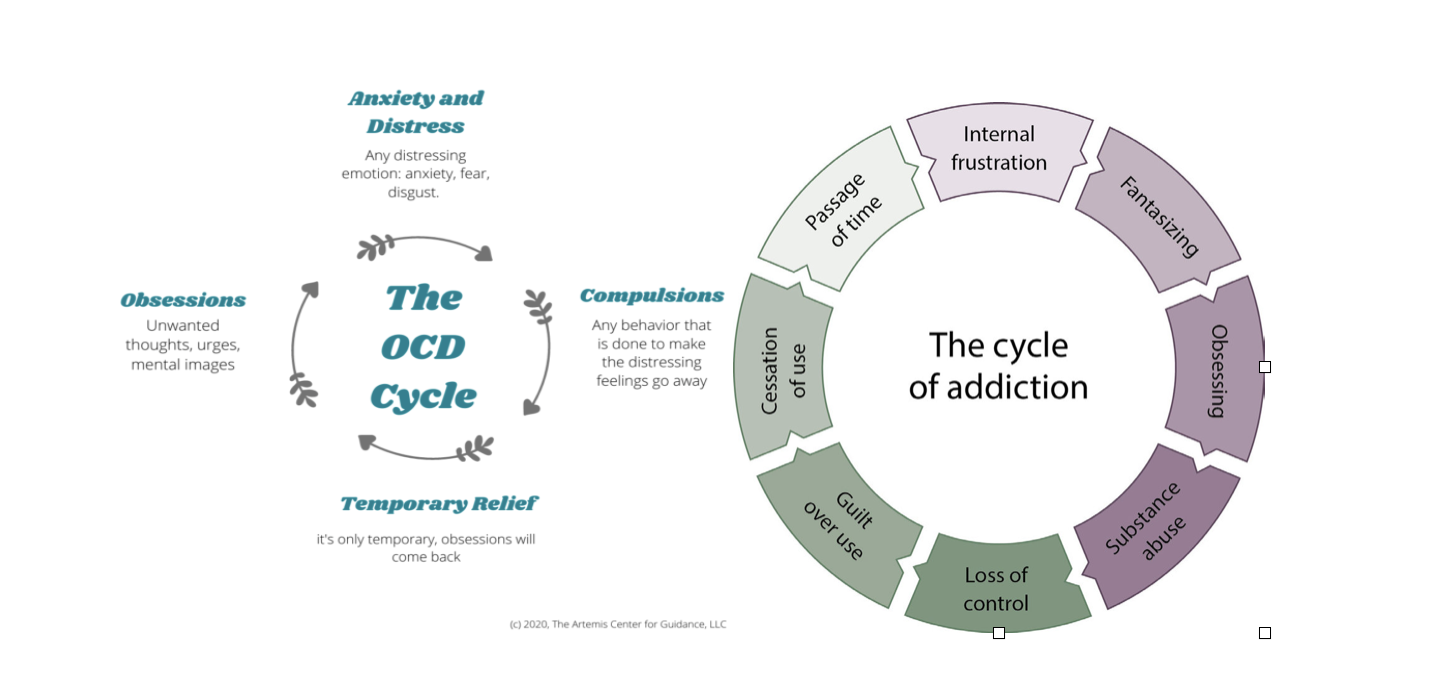
- Compulsive thought loops, not rational choice
So saying “just eat” assumes the person is choosing not to — when in reality, their brain is in threat mode.
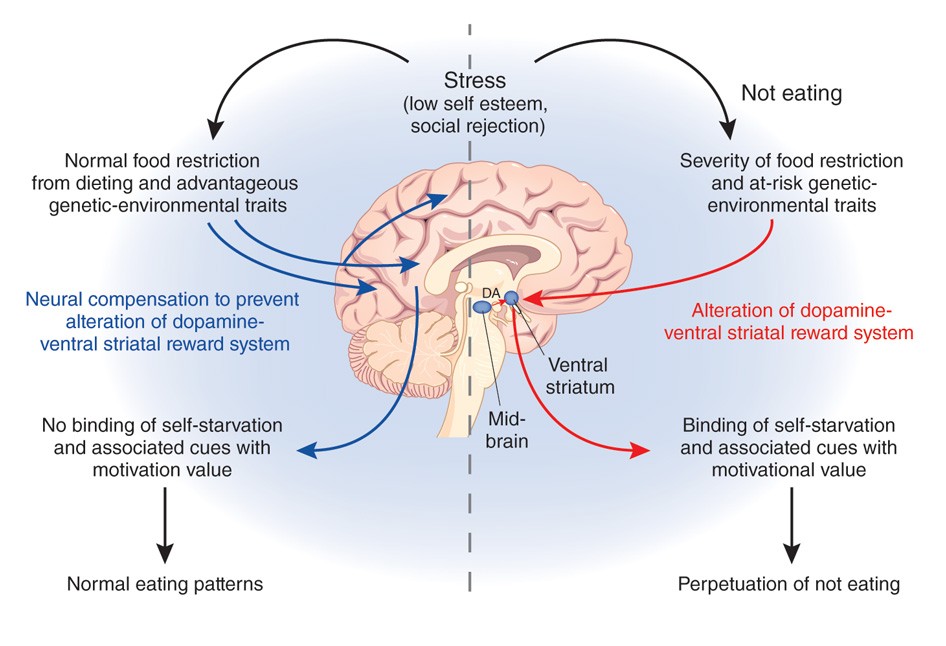
2. It ignores the brain–body feedback loop

4. When someone has an eating disorder:
- Restriction changes brain chemistry
- Hunger hormones spike
- Anxiety and obsession intensify
- Control behaviors feel necessary for safety
At that point, eating or not eating isn’t a neutral act — it feels dangerous, even if it isn’t.
3. “Just eat” can increase panic and resistance
For someone restricting:
- Eating can trigger intense fear, shame, or dissociation
- Their body may react with nausea, bloating, or pain
- The brain interprets food as a threat
Being told to “just eat” often leads to:
- More secrecy
- More rigid rules
- Stronger urges to compensate later
The advice skips the support, pacing, and safety needed to make eating possible.
4. “Just don’t eat” reinforces the disorder
For binge-related disorders, saying “just stop eating”:
- Strengthens restriction
- Increases deprivation
- Makes the next binge more intense and uncontrollable
This advice directly fuels the binge–restrict cycle instead of breaking it.
5. It places blame instead of offering tools
“Just eat” implies:
“If you wanted to, you would.”
That message creates:
- Shame
- Self-blame
- A sense of failure
Shame is one of the strongest maintaining forces in eating disorders.
6. Recovery requires skills, not commands
Effective help focuses on:
- Gradual exposure to feared foods
- Nervous system regulation
- Relearning hunger and fullness cues
- Addressing control, trauma, or perfectionism
- Medical and psychological support
None of that is solved by a command.